
In Part One, you clarified your value proposition, identified your audience, and defined what sets your organization apart. Now it’s time to level up.
This post focuses on tools and tactics that help teams work smarter—not harder—and on how to test, measure, and refine your marketing efforts over time. Whether you’re managing one brand or many locations, effective marketing isn’t about doing more. It’s about doing what works, consistently.
High-Impact, Low-Lift Tactics

- Keep Google Business profiles updated and monitored (many people check listings before engaging)
- Invest in boosting your best content
- Use short, authentic videos to humanize your brand
- Send simple, value-driven email updates (clarity beats complexity)
- Leverage CRM or loyalty tools to encourage repeat engagement
- Test SMS or targeted notifications where appropriate
- Use physical spaces and signage creatively to reinforce campaigns and calls to action
Build Consistency
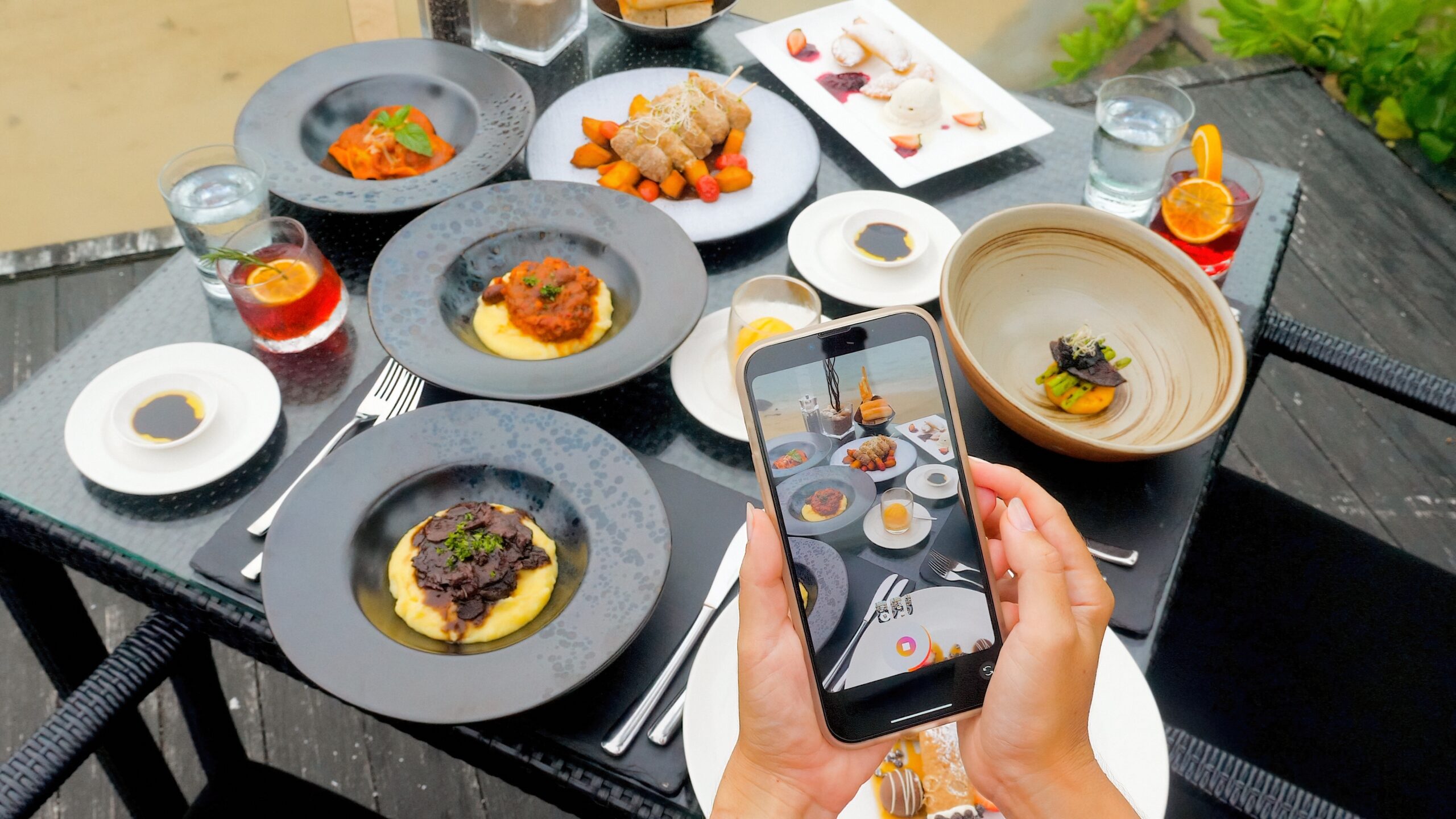
- Create a “What to Post” list: Keep a running list of ideas—staff spotlights, customer reviews, FAQs, seasonal tips, product how-tos—so you’re never starting from scratch.
- Repurpose content: Turn one strong piece into multiple assets across channels.
- Batch and systematize: Schedule posts, respond to reviews, and plan emails in one sitting each week.
- Automate where possible: Use free tools (like Meta Business Suite or Mailchimp) to schedule posts and emails so they keep working even when you’re busy.
- Monitor and adjust: No strategy is ever truly “set it and forget it.”
Evaluate What’s Working (and What’s Not)

Data doesn’t need to be overwhelming—it just needs to be useful.
Track metrics like:
- Search visibility and reviews
- Website traffic and engagement
- Social interaction (shares, comments, saves)
- Email open and click rates
- Campaign-specific inquiries, visits, or conversions
Ask yourself: What’s the one action we want people to take? Then build tactics—and measurement—around that goal.
Free Tools to Make It Easier
Design & Content
- Canva (easy, professional graphics)
- AI like ChatGPT or Gemini (get ideas, write drafts)
Social Media
- Meta Business Suite or Buffer (schedule posts + monitor)
- Linktree or Campsite.bio (one bio link, many destinations)
- Mailchimp or ConvertKit (simple, branded emails)
Visibility & Analytics
- Google Trends (see what people are searching)
- Google Lighthouse (test your website)
- Google Business Profile Manager (optimize your listing)